
 English
 German
 French
 Russian
 Spanish
 Japanese
 Korean
 Portuguese
 Ukrainian
 Arabic
 Italian
How Drinkware Manufacturers Are Advancing Sustainability in Production
Sustainability has become a defining priority in the drinkware industry. From material sourcing to end-of-life recycling, leading manufacturers are rethinking how bottles, tumblers, and cups are designed and produced. As a specialist drinkware factory, Sohaibottle integrates sustainable practices into each stage of production, helping brands align their products with growing environmental expectations.
1. Using Recyclable and Durable Materials
The most direct way manufacturers address sustainability is through material choice. Instead of single-use plastics, the focus is shifting to durable, reusable, and recyclable materials that extend product life and reduce waste.
Stainless Steel as a Long-Term Solution
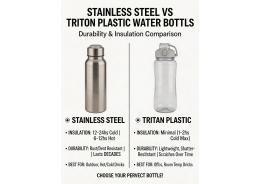
Stainless steel has become a core material in premium drinkware. It is strong, corrosion-resistant, and fully recyclable. Sohaibottle uses food-grade stainless steel (such as 304 and 316) for water bottles, travel mugs, and tumblers. These products are designed to last for years, significantly cutting down on disposable cup and bottle usage.
Because stainless steel can be recycled repeatedly without losing performance, it fits well into a circular economy model. At the manufacturing level, offcuts and scrap can be collected and sent back into the steel supply chain, minimizing material waste.
BPA-Free and Recyclable Plastics
When plastic is required—for lightweight lids, straws, or certain bottle bodies—manufacturers are transitioning to safer and more sustainable options. Sohaibottle prioritizes BPA-free plastics, ensuring that drinkware is both safe for daily use and easier to recycle at the end of its life cycle.
By selecting plastics that comply with international standards and are widely accepted in recycling streams, manufacturers help reduce the environmental impact of inevitable plastic components.
Glass and Other Eco-Friendly Materials
Some product lines also incorporate glass and other sustainable materials, especially for consumers who prefer a pure taste experience and full recyclability. Glass drinkware can be reused for a long time and recycled when broken or no longer needed.
2. Eco-Conscious Design for Reuse and Longevity
Sustainability is not just about what a product is made from, but how it is designed. Manufacturers like Sohaibottle are optimizing product design to encourage repeated use and extend the lifespan of each item.
Durable Structures and Timeless Styles
A sustainable product must withstand daily wear and tear. Sohaibottle focuses on robust structural designs, including double-wall vacuum insulation and impact-resistant exteriors. This improves the longevity of bottles and tumblers, ensuring they can be used for many years instead of being frequently replaced.
Timeless product styling also plays a role. Instead of following short-lived trends, many reusable drinkware designs are clean and minimalist, helping them remain appealing over time and reducing the pressure to discard them for aesthetic reasons.
Modular and Replaceable Components
Another sustainable approach is to design drinkware with replaceable lids, seals, and accessories. Rather than discarding an entire bottle when a small part wears out, users can simply replace the specific component. Sohaibottle supports this approach with compatible lids, caps, and straws across multiple models, extending the usable life of the core bottle body.
3. Responsible Manufacturing Processes
Material choices and product design are only part of the story. How drinkware is manufactured also has a significant impact on sustainability. Efficient production processes reduce energy consumption, minimize waste, and improve overall environmental performance.
Efficient Use of Raw Materials
By investing in advanced production equipment and well-structured workflows, Sohaibottle aims to maximize material utilization. Precision cutting, forming, and molding mean fewer offcuts and less scrap. Any leftover stainless steel is collected for recycling, and defective components are minimized through rigorous quality control.
For brands, this not only supports sustainability goals but also contributes to stable product quality and cost efficiency—a vital combination in competitive markets.
Quality Management and Reduced Defects
Defective products represent wasted materials, energy, and time. Strong quality management systems help manufacturers reduce the number of items that must be scrapped. Sohaibottle uses standardized inspection procedures at multiple stages of production to ensure that only qualified drinkware reaches the packaging line.
Reducing defects directly lowers the environmental footprint per finished product, since fewer resources are consumed to deliver the same number of usable items.
4. Safer Coatings and Surface Treatments
Exterior coatings and surface finishes contribute to both aesthetics and durability, but they must also be safe and eco-friendly. Manufacturers are upgrading to finishes that minimize harm to people and the planet.
Non-Toxic Coatings
Many modern drinkware products feature durable powder coatings or paint finishes that are free of heavy metals and harmful solvents. Sohaibottle emphasizes non-toxic, compliant coatings that are safe for regular handling and long-term use.
These coatings do more than provide color—they protect the metal surface from scratches and corrosion, which also extends product lifespan and keeps bottles looking new for longer. Longer-lasting aesthetics mean fewer unnecessary replacements.
Advanced Printing Techniques
Branding and customization are critical for many clients. Eco-conscious manufacturers rely on printing methods that meet strict environmental and safety standards, using inks and processes that reduce volatile organic compound (VOC) emissions and other pollutants. The result is customized drinkware that supports branding without compromising sustainability.
5. Sustainable Packaging and Logistics
Drinkware’s environmental footprint doesn’t end at the factory gate. Packaging and shipping practices also influence overall sustainability. Leading manufacturers are taking a closer look at how products are protected, transported, and delivered.
Reduced and Recyclable Packaging
Instead of excessive plastic wrapping and non-recyclable inserts, manufacturers are switching to simplified packaging made from cardboard and other recyclable materials. Sohaibottle works with clients to design packaging that protects bottles in transit while minimizing material use and avoiding unnecessary plastic.
Compact packaging also improves transport efficiency—more units per carton and per shipment—helping to lower carbon emissions associated with logistics.
Batch Production and Optimized Shipping
Producing and shipping drinkware in well-planned batches allows factories to optimize energy use and reduce transportation-related emissions. Grouping orders, planning container loading efficiently, and avoiding partial shipments all support a more sustainable supply chain.
6. Regulatory Compliance and Global Standards
Compliance with international safety and environmental standards is a fundamental part of sustainable drinkware manufacturing. Products must be safe for contact with beverages, and production processes must adhere to regulations in target markets.
Food-Contact Safety
Sohaibottle designs products to comply with relevant food-contact regulations and testing requirements, including standards applicable in major markets such as the EU and North America. This includes ensuring materials are free of hazardous substances and do not leach harmful chemicals into drinks.
Environmental and Social Responsibility
Beyond material safety, many buyers also look for suppliers who demonstrate broader social and environmental responsibility. Transparent manufacturing practices, traceable supply chains, and documented quality systems all contribute to a more sustainable partnership between brands and factories.
7. Custom Sustainable Solutions for Brands
One of the key advantages of working with a specialized manufacturer like Sohaibottle is the ability to customize sustainable drinkware to fit specific brand goals and consumer expectations.
Tailored Material and Design Choices
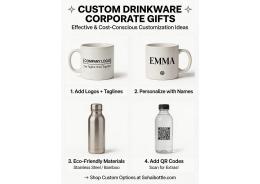
Brands can collaborate with the factory to choose eco-friendly materials, structures, surface treatments, and packaging that align with their sustainability strategy. This includes selecting stainless steel or glass for core body construction, choosing BPA-free lids, and specifying recycled or minimal packaging.
Supporting Brand Storytelling
Clear sustainability features give brands a stronger product story. When drinkware is designed with recyclability, durability, and responsible production in mind, it becomes easier to communicate environmental benefits to consumers. Manufacturers provide the technical foundation and documentation, while brands translate these details into marketing messages.
Conclusion: Sustainability as a Core Value in Drinkware Manufacturing
Sustainable drinkware is no longer a niche concept; it is steadily becoming the industry standard. Manufacturers address sustainability concerns by combining recyclable and durable materials, responsible production processes, safer coatings, and smarter packaging. Sohaibottle demonstrates how a focused drinkware factory can help brands deliver products that meet modern environmental expectations without sacrificing quality, performance, or design.
As consumers continue to prioritize eco-friendly choices, partnerships between brands and manufacturers that share a commitment to sustainability will shape the future of the drinkware market. By integrating sustainable thinking at every stage—from material sourcing to product design and logistics—manufacturers can turn everyday bottles and tumblers into long-lasting, low-impact essentials.